
Morning Routine Checklist: A Calm Guide for Busy Parents
Still half-asleep? Start here: A realistic morning routine checklist gives your family an automatic rhythm before the school bell rings. Rather than demanding perfection, an effective morning routine list relies on evening preparation, visual cues by age group, and three simple first tasks to eliminate early chaos.
Mornings with kids rarely break down at seven in the morning. They break down the night before, when water bottles are still sitting at the bottom of backpacks, shoes have wandered under the sofa, and nobody has decided what to eat for breakfast. When you try to make four executive decisions before your coffee has even finished brewing, your energy drains before the front door even opens.
A gentle morning is not about rigid military discipline or waking up at four in the morning to hustle through chores. It is about building small, repeatable systems that protect ten quiet minutes for yourself while giving your children clear, age-appropriate steps they can manage on their own. When everyone knows what happens next, mornings stop feeling like an emergency.

Why do family morning routines fall apart so quickly?
Most morning routines collapse because they demand too many cognitive decisions during groggy early hours. When parents attempt to direct children step by step in real time, frustration spikes quickly. Shifting from verbal commands to predictable environmental cues removes power struggles and keeps everyone moving forward smoothly.
Consider what happens during an unstructured morning. A child wakes up, wanders into the kitchen, stares into the refrigerator, gets distracted by a toy in the hallway, and suddenly you have eight minutes left to leave the house. You end up repeating the same instructions five times: put on your socks, eat your toast, find your backpack. Each reminder tests your patience, leaving everyone frazzled before the day even begins.
Pediatric specialists at Nationwide Children’s Hospital note that young children thrive on predictable sequences because predictability builds a sense of security and autonomy. When expectations are externalized on a visual board or grouped into simple blocks, you no longer have to act as the taskmaster. The routine itself becomes the guide, allowing you to offer encouragement instead of constant direction.
What tasks belong on your morning routine checklist by age?
A practical morning routine checklist matches each task to your child’s developmental abilities. Expecting toddlers to manage complex sequences creates tears, while doing everything for older kids creates unnecessary dependence. Grouping responsibilities into what children do independently versus what requires parental support sets realistic expectations for everyone in the home.
To establish a sustainable morning rhythm, use the responsibility breakdown below. This framework outlines the typical division of labor across four primary age stages, helping you tailor your household expectations:
| Age Group | Can Do Completely Alone | Needs a Visual Nudge | Parent’s Responsibility |
|---|---|---|---|
| Preschoolers (Ages 3 to 5) | Put dirty pajamas in the hamper, wash hands, pick between two pre-selected shirts | Brushing teeth, putting on shoes, putting their bowl in the sink | Laying out clothes the night before, preparing warm food, final backpack check |
| Early Elementary (Ages 6 to 8) | Get fully dressed, make basic bed, clear breakfast dishes, put shoes on | Brushing hair thoroughly, filling water bottle, packing folder into bag | Providing simple breakfast choices, time check warnings at 15-minute marks |
| Tweens (Ages 9 to 12) | Wake up to personal alarm, dress for weather, pack lunch or snack, load school bag | Packing special gear (instruments, gym clothes), grooming checklist | Stocking healthy grab-and-go options, providing gentle departure countdowns |
| Teens (Ages 13 and up) | Complete morning hygiene, prepare breakfast, manage departure time independently | Double-checking homework assignments, charging school devices overnight | Holding high-level check-ins, maintaining a peaceful home atmosphere |
As children grow through these stages, resist the urge to step in and take over when they move slowly. A parent in a community discussion shared that stepping back and allowing a child to move a wooden clip down a chart turned a 20-minute daily argument into a quiet, self-directed five-minute habit. Patience in the early stages pays dividends in long-term independence.
How to create a morning routine for preschoolers that works?
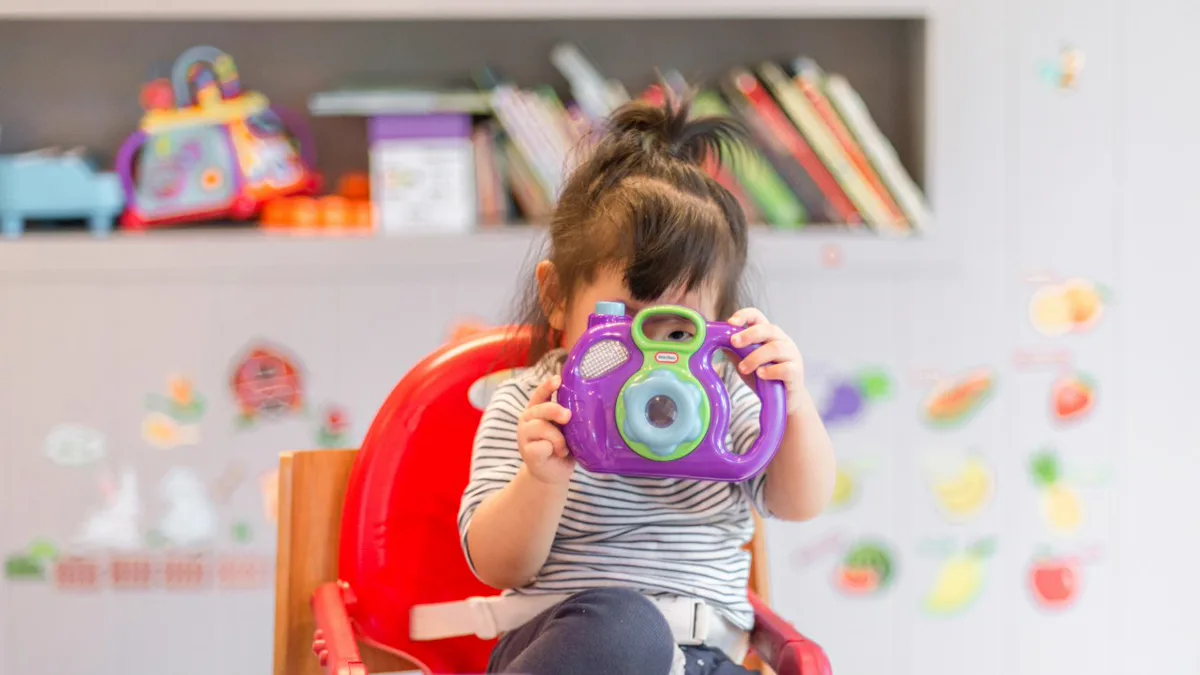
An effective morning routine for preschoolers relies on visual picture cards and a strict rule of three steps at a time. Young children process images faster than verbal requests, so seeing simple illustrations of dressing, eating, and shoes allows them to take pride in completing their own morning tasks.
For children ages three to five, long lists feel overwhelming. When you give three verbal commands at once, their developing working memory often drops the last two. Instead, keep their morning checklist focused on simple, concrete actions that follow the same order every single day:
- Step 1: Put on clothes: Keep pre-selected outfits in a low bin where little hands can reach them without adult assistance.
- Step 2: Eat breakfast: Sit down together for a simple meal, keeping distractions like screens or loud toys turned off.
- Step 3: Bathroom check: Brush teeth together, wash faces with a warm cloth, and make sure hair is brushed.
- Step 4: Shoes and jacket: Move to the entryway launch pad to put on footwear and grab their small backpack.
According to child development guidelines from PBS KIDS for Parents, using songs or consistent verbal transitions helps preschoolers move from one task to the next without feeling pushed. Keep the tone light, celebrate small wins, and remember that slow progress is completely normal at this age.
How to build an independent morning routine for teens?
A successful morning routine for teens focuses on autonomy, consistent sleep hygiene, and personal responsibility. Teens experience natural biological shifts in their circadian rhythms that make early waking difficult, so an organized evening shutdown and clear morning benchmarks help them get out the door on time without nagging.
During the middle and high school years, your role shifts from daily supervisor to supportive coach. Teens want ownership of their schedules, and constant reminders from parents often trigger resistance. Establishing a clear routine framework gives them freedom while maintaining necessary boundaries:
- Independent wake-up: Shift the wake-up duty entirely to an alarm clock placed across the room rather than relying on a parent knocking repeatedly.
- Device charging outside the bedroom: Keep phones and tablets charging in a central family area overnight to protect essential sleep quality.
- Grab-and-go breakfast station: Keep whole grain muffins, boiled eggs, or smoothie ingredients ready in the kitchen for quick self-service.
- Self-managed departure checklist: Place a discreet checklist by their doorway covering keys, transit passes, charged laptops, and sports gear.
If your teen struggles with morning sluggishness, focus on small schedule adjustments rather than lecturing. Moving bedtime earlier by fifteen minutes every few days allows their bodies to adapt naturally without feeling punished.

What is the 15-minute night-before launch pad checklist?
The secret to an effortless morning routine checklist is doing fifteen minutes of prep work the night before. Staging clothing, packing lunches, and organizing an entryway launch pad resolves the vast majority of morning bottlenecks before you ever go to sleep, protecting your peace of mind.
When you set up a dedicated launch pad near your front door, every family member knows exactly where their essential belongings belong. Spend ten to fifteen quiet minutes after dinner completing this brief evening checklist:
- Check the weather forecast: Lay out complete outfits including socks, underwear, and jackets based on tomorrow’s expected temperature.
- Pack backpacks and sign permission slips: Verify that homework folders, library books, and signed notes are zipped inside school bags.
- Fill water bottles and pack non-perishable snacks: Place water bottles in the refrigerator door and stage dry snacks on the counter.
- Park shoes and accessories: Ensure shoes, coats, and keys are waiting in their assigned baskets at the entryway station.
- Set breakfast basics on the table: Put out bowls, spoons, and cereal boxes so breakfast setup takes less than two minutes.
When you wake up to a tidy launch pad and a prepared kitchen, the morning starts with a feeling of calm control. You are no longer reacting to surprises; you are simply executing a plan you already created.
How to design a simple morning routine chart kids follow?
A well-designed morning routine chart transforms abstract time into a visual path children can navigate on their own. Whether you use laminated cards with Velcro dots or a simple whiteboard with checkboxes, keeping the board simple, accessible, and uncluttered ensures kids actually use it.
To build an effective morning chart that lasts past the first week, keep these practical principles in mind:
- Limit the list to five core items: Avoid cluttering the board with twenty micro-tasks. Focus on the big milestones: dressed, breakfast, teeth, shoes, bag.
- Use photographs or clear icons for young children: Non-readers need visual cues. Take pictures of your child doing each task to make the chart personal and engaging.
- Place it at your child’s eye level: Hang the board in the hallway or on the refrigerator where your child can physically reach it to check items off.
- Focus on accomplishment rather than perfection: Use sliding markers, clothespins, or dry-erase markers so kids feel the tangible satisfaction of finishing each step.
Guidance from the CDC Positive Parenting program highlights that consistent visual routines reduce parental stress and foster cooperative behavior in young children. When kids feel capable of managing their own morning responsibilities, their self-confidence grows naturally.
Kitchen-table questions
What is the best morning routine order for young kids?
The smoothest sequence for young children is dressing first, followed by eating breakfast, completing bathroom hygiene like tooth brushing, and finishing with shoes and backpacks at the door. Getting dressed immediately prevents pajama-wearing dawdling and ensures the biggest transition is done early.
How can I get my child to follow a morning routine chart without arguing?
Involve your child in creating the chart by letting them choose the pictures or marker colors. When they stall, refer directly to the chart rather than repeating verbal commands by asking, “What does your chart say comes next?” This shifts ownership from parent demand to the visual routine.
How early should parents wake up before their children?
Waking up just fifteen to twenty minutes before your children provides enough quiet space to drink a glass of water, stretch, or review the day without interruptions. You do not need hours of early solitude; a small pocket of calm allows you to greet your family with patience.
What should you do when a child refuses to get dressed in the morning?
Offer two pre-selected outfit choices the night before to grant autonomy within clear boundaries. If morning resistance happens, stay calm and present a gentle logical boundary, such as packing the clothes in their bag and letting them change in the car or at school if necessary.
How many steps should a preschooler morning routine list include?
Keep a preschooler checklist between three and five distinct steps. Young children get overwhelmed by lengthy instructions, so grouping tasks into broad categories like getting dressed, eating breakfast, and brushing teeth creates the most sustainable success.
Finding your morning rhythm at your pace
No family executes a flawless morning every single day. There will be mornings with spilled milk, lost homework, and unexpected delays. The goal of a morning routine checklist is not rigid perfection; it is providing a steady, gentle baseline that brings your family back to center when life gets busy.
Start small by picking just one habit to test this week, whether that is setting up an entryway launch pad or laying out clothes the night before. Give yourself permission to adjust as you learn what works best for your family. Over time, these small and repeatable rituals will create the calm, connected mornings you and your children deserve.
Explore more quiet morning ideas in our morning routines category guide.
How we researched this: The routines on this site serve as general suggestions, not health advice; anything about exercise defers to a doctor. The post was drafted with an AI writing tool and reworked by the editor for real mornings.
Sources: pediatric morning routine guidance, early childhood development guide, family habit resources.

Lila Ashcroft
Lila Ashcroft, swarose's shared pen name, covers mornings, routines and small seasonal rituals for busy parents. None of it is medical, fitness or nutrition advice: anyone starting new exercise, especially after pregnancy or an injury, should check with a doctor first.