Walking Routine for Beginners: A Gentle 6-Week Plan
Still half-asleep? Start here: A sustainable walking routine for beginners starts with just ten to fifteen minutes of unhurried movement. Focusing on steady consistency rather than rigid step targets helps you build energy, clear your mind, and enjoy fresh outdoor air every morning.
Gentle reminder: The walking suggestions presented on this site provide general lifestyle and daily movement inspiration. If you are returning to exercise after pregnancy, surgery, or an injury, always consult your physician or healthcare provider before starting a new physical activity plan.
Starting a new fitness routine often feels intimidating when fitness apps demand ten thousand steps a day or intense gym sessions before sunrise. For busy parents and beginners, these aggressive expectations usually lead to sore joints, schedule conflicts, and abandoned goals within two weeks.
A gentle walking routine for beginners takes the opposite path. By starting with manageable ten-minute neighborhood strolls and building gradually over six weeks, you create an enjoyable habit that fits seamlessly around your family life without physical strain or burnout.
Pairing your daily outdoor movement with our soothing gentle morning stretches warms your muscles, loosens tight hamstrings, and promotes lasting physical comfort.
When you focus on the simple pleasure of moving outdoors rather than tracking aggressive calorie burns, morning walks quickly become the most restorative part of your day.
What is the ideal 6-week walking routine for beginners timeline?
The most effective walking routine for beginners increases duration in gentle five-minute increments every week. This gradual progression allows your tendons, feet, and cardiovascular system to adapt comfortably without risk of overuse injuries.
Follow this structured 6-week progression designed for easy daily integration:
| Week | Daily Walking Duration | Weekly Frequency | Comfort and Pacing Focus |
|---|---|---|---|
| Week 1 | 10 minutes | 3 to 4 days | Comfortable conversational pace, focus on unhurried breathing |
| Week 2 | 15 minutes | 4 days | Gentle heel-to-toe foot strike, relaxed shoulder posture |
| Week 3 | 20 minutes | 4 to 5 days | Explore scenic neighborhood streets or local park trails |
| Week 4 | 25 minutes | 5 days | Maintain steady rhythm, incorporate slight uphill grades |
| Week 5 | 30 minutes | 5 days | Brisk yet comfortable pace, swing arms naturally |
| Week 6 | 30 to 35 minutes | 5 to 6 days | Sustainable daily habit established for physical vitality |
Public health guidelines from the CDC confirm that thirty minutes of moderate daily walking significantly enhances cardiovascular wellness, mood regulation, and sleep quality across all adult age groups.
Listen attentively to your body as you progress through each week. If your calves or arches feel tight, stay at your current week’s duration for an extra few days before increasing your walking time.
How does a morning walk support daily energy and mental clarity?
Taking a morning walk exposes your eyes to early natural sunlight, which suppresses melatonin production and sets your internal circadian clock. This biological light cue helps you feel naturally alert during the day and sleep more deeply at night.
Beyond biological benefits, walking in the morning provides a peaceful pocket of psychological space before household responsibilities accelerate. Stepping outside allows you to organize your thoughts, listen to birdsong, and breathe fresh outdoor air before checking electronic messages.
Connecting outdoor walks with our mindful calm morning routine grounds your nervous system and builds steady resilience for family life.

How to adapt a walking plan for beginners with a stroller or school run?
Adapting a walking plan for beginners when you have young children means using everyday commutes as built-in exercise opportunities. Walking your child to preschool or pushing a stroller around the neighborhood eliminates the need to carve out separate gym time.
Consider these practical family walking adjustments:
- Adjust handlebar height: Ensure your stroller handlebar sits at elbow height so you can walk tall without hunching your shoulders forward.
- Keep one hand free intermittently: Alternate hands on flat paths to allow natural arm swinging and reduce upper back strain.
- Pack interactive walking kits: Bring simple nature collection bags or snack cups so toddlers enjoy the stroller ride happily.
- Turn the school commute into steps: Park several blocks away from school gates to add a relaxing ten-minute walk with your children.
For stay-at-home parents balancing infant naps, our sahm schedule shows how to place morning walks during optimal stroller nap windows.
What comfortable gear and posture cues protect beginner walkers?
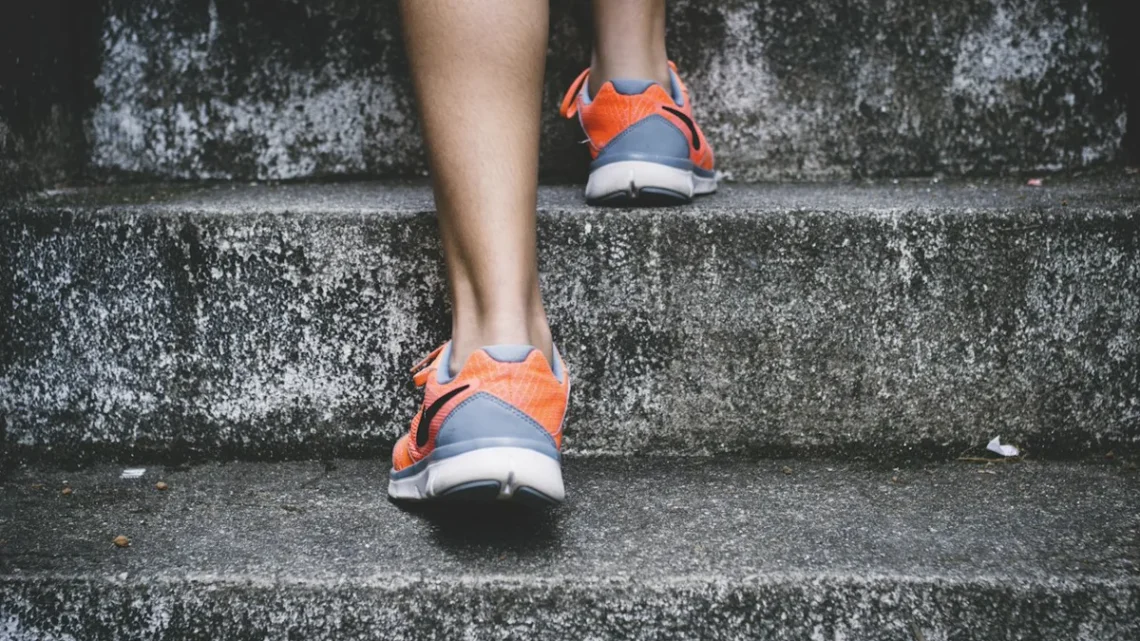
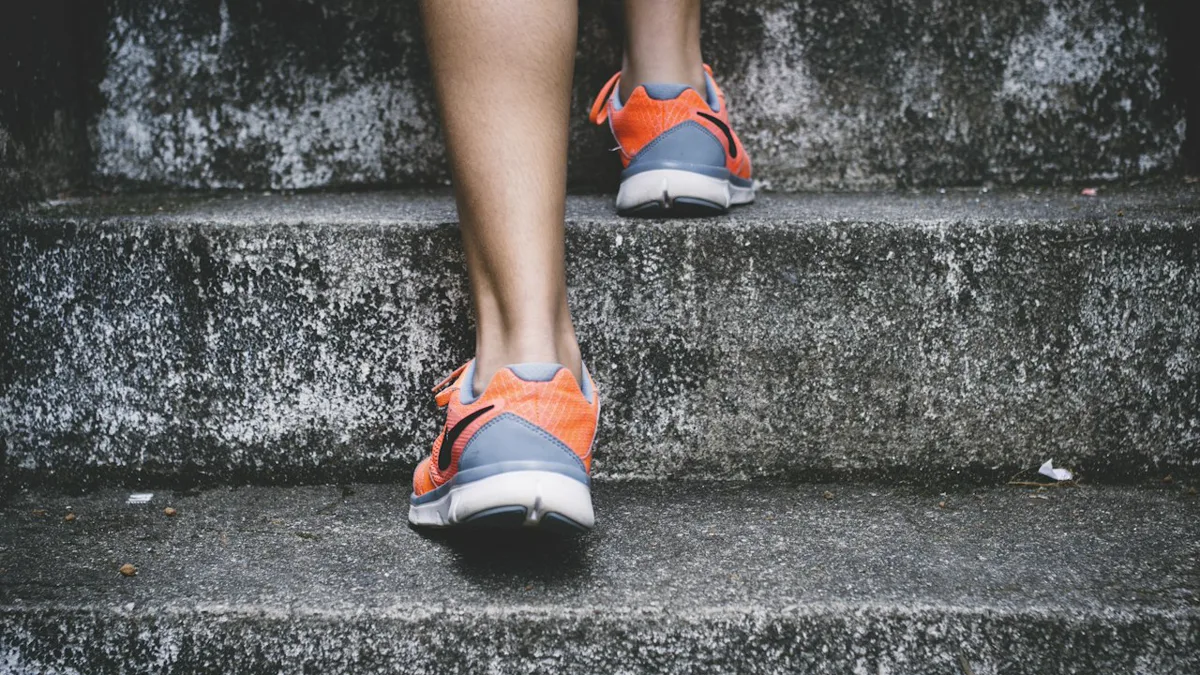
You do not need expensive specialized equipment to start walking, but supportive footwear and basic posture awareness prevent common aches and blisters. Choosing shoes with adequate cushioning and a flexible sole provides essential joint protection.
Keep these simple posture reminders in mind while walking:
- Look ahead naturally: Keep your gaze focused ten to twenty feet ahead rather than looking down at your feet, keeping your neck aligned.
- Relax your shoulders: Periodically roll your shoulders back and down to release tension carried from desk work or childcare.
- Roll through each step: Land gently on your heel, roll smoothly through the ball of your foot, and push off lightly from your toes.
- Stay hydrated: Carry a small stainless steel water bottle, especially during warm autumn mornings or humid summer days.
Pairing your walk with wholesome nourishment from our make ahead breakfast ideas refuels your body efficiently upon returning home.
How do you maintain a consistent walking habit in changing weather?
Maintaining a consistent walking habit across autumn chills, spring showers, and summer warmth requires simple layering strategies rather than complex workout wardrobes. Dressing in breathable layers allows you to adapt as your body warms up during your walk.
Incorporate these weather-friendly habits into your routine:
- Autumn and winter layering: Wear a lightweight base layer under a wind-resistant fleece, accompanied by thin gloves and a cozy knit beanie.
- Rainy day prep: Keep a water-resistant hooded jacket and an umbrella near your launch pad station.
- Summer heat pacing: Walk during the earliest cool hours of the morning and choose shaded neighborhood streets.
During the crisp autumn months, exploring colorful seasonal foliage with ideas from our fall traditions guide turns daily walks into memorable family rituals.
Step-count obsession versus time-based gentle walking
Review the comparison below to see why time-based walking habits create more sustainable lifestyle improvements than rigid digital step tracking:
| Movement Philosophy | Step-Count Obsession (10,000 Steps) | Time-Based Gentle Walking (15 to 30 Min) |
|---|---|---|
| Daily Pressure | High anxiety over unreached digital numbers | Calm celebration of any completed time window |
| Time Requirement | Requires 90+ minutes of walking per day | Easily accomplished in a brief 20-minute outing |
| Focus on Surroundings | Staring at smartwatch screens constantly | Observing nature, breathing, and being present |
| Long-Term Consistency | High abandonment rate during busy weeks | High retention and effortless daily habit formation |
Organizing your departure with our morning routine template ensures your walking pocket is protected before school runs begin.
Kitchen-table questions
How long should a walking routine for beginners be each day?
Beginners should start with 10 to 15 minutes per day, three to four days per week. Gradually increase duration by 5 minutes each week until reaching 30 minutes comfortably.
What are the benefits of an early morning walk for busy parents?
A morning walk boosts energy through natural sunlight exposure, regulates sleep hormones, clears mental fog, and provides a peaceful pocket of quiet before family demands begin.
How fast should you walk when starting a walking plan for beginners?
Walk at a comfortable conversational pace where you can easily speak in full sentences without feeling out of breath. Pacing should feel energizing rather than exhausting.
What gear is essential for a beginner walking habit?
All you need is a supportive pair of walking or running shoes, comfortable weather-appropriate layers, and a water bottle for hydration.
How do you stay consistent with walking when the weather changes?
Wear breathable layers, keep rain gear by the door, shift walking times to the coolest or warmest parts of the day depending on the season, and invite a friend or family member along.
Step by step toward joyful daily movement
Building a healthy lifestyle does not require punishing workout regimens or extreme athletic sacrifices. The simple, humble act of lacing up your shoes and stepping outside for a gentle walk is one of the most powerful habits you can cultivate.
Honor your current fitness level, celebrate every five-minute loop around your block, and let daily walking become a lifelong source of peace, physical vitality, and joy for you and your family.
How we researched this: Our walking routines and beginner mobility recommendations draw from community feedback and lifestyle trials. An AI writing tool helped generate initial drafts, which were edited and fact-checked by our editorial team.
Sources: cardiovascular walking guidelines, adult physical activity standards, mobility health research.

Lila Ashcroft
Lila Ashcroft, swarose's shared pen name, covers mornings, routines and small seasonal rituals for busy parents. None of it is medical, fitness or nutrition advice: anyone starting new exercise, especially after pregnancy or an injury, should check with a doctor first.

You May Also Like

Somatic Check-Ins for Parents: A Gentle Morning Reset

Calm Morning Routine: Gentle Steps for Busy Parents